



ESSENTIAL ITEMS FOR YOUR HOLIDAY FIRST AID KIT
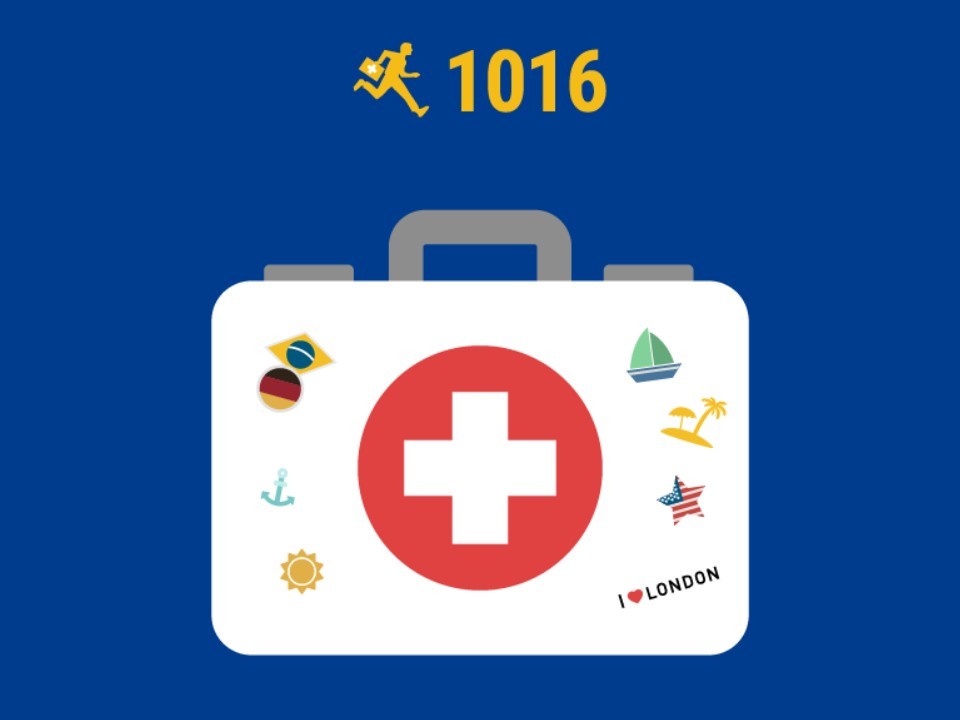
During holidays, various health issues such as insect bites, allergies, diarrhea, gastroenteritis, sunburns, minor injuries, nausea, and heartburn are common occurrences. The contents of your travel first aid kit should be tailored to your destination, the duration of the trip, and the health condition of each traveler. Naturally, you should include all prescribed medications necessary for any personal chronic conditions. If you have any special health concerns, consult your doctor ahead of time to determine what is essential to carry with you during your vacation.
Recommended Contents for a Holiday First Aid Kit
The SOS DOCTORS recommend that your holiday first aid kit include the following:
Antiseptic solution or antiseptic wipes
Sterile saline solution (0.9%) in ampoules
Adhesive plasters
Hansaplast-type bandages
Cooling spray (e.g., Pulvo 47)
Antihistamine syrup
Antihistamine cream for allergic reactions and itching caused by insect or jellyfish stings
Cream containing cortisone and antibiotic
Ammonia-based cream, spray, or stick for insect stings (e.g., from mosquitoes or bees), as well as jellyfish or sea anemone stings
A small plastic cup (urine sample size) filled halfway with baking soda (sodium bicarbonate)
Insect repellent spray
Antipyretics (e.g., Paracetamol)
Anti-diarrheal tablets
Anti-nausea medication (e.g., dimenhydrinate)
Moisturizing lotion or cream for after-sun care (e.g., Bepanthol)
Examination gloves
Hemostatic cotton
Sterile/adhesive gauze pads
Elastic bandages (5 cm width)
Cold pack or instant ice compress (activates upon shaking)
Scissors
Thermometer
Tweezers (for removing thorns, sea urchin spines, or insect stingers)
Important emergency phone numbers
COVID-19 Precautions
Your first aid kit should also include:
Surgical masks (to be worn in accordance with public health guidance, particularly in enclosed or crowded spaces)
Hand sanitizers
Disposable gloves
Storage and Maintenance Guidelines
Use a waterproof and insulated case to protect the contents from high temperatures. If any medications require refrigeration, place them in a cooler bag with an ice pack during travel. Upon arrival, store them in a refrigerator or cool, dry place along with the ice packs (avoid humid areas like bathrooms).
Ideally, medications should be stored at temperatures below 25°C and away from heat or direct sunlight. Do not leave your kit inside a car or on the beach. If traveling with young children, ensure the kit is kept out of their reach.
Useful Contacts
Before using any specialized medication, consult your personal physician or pediatrician.
It is also advisable to have the following contact numbers with you:
The hospital, health center, or pharmacy nearest your holiday location
The Poison Control Center (Greece: +30 210 7793777)
In Case of Emergency
Call +30 210 82 11 888 (available 24/7, including weekends and holidays, from any landline or mobile phone within Greece). You will be connected to a coordinating physician or nurse for medical advice.
 ΠΙΣΩ
ΠΙΣΩ 
